


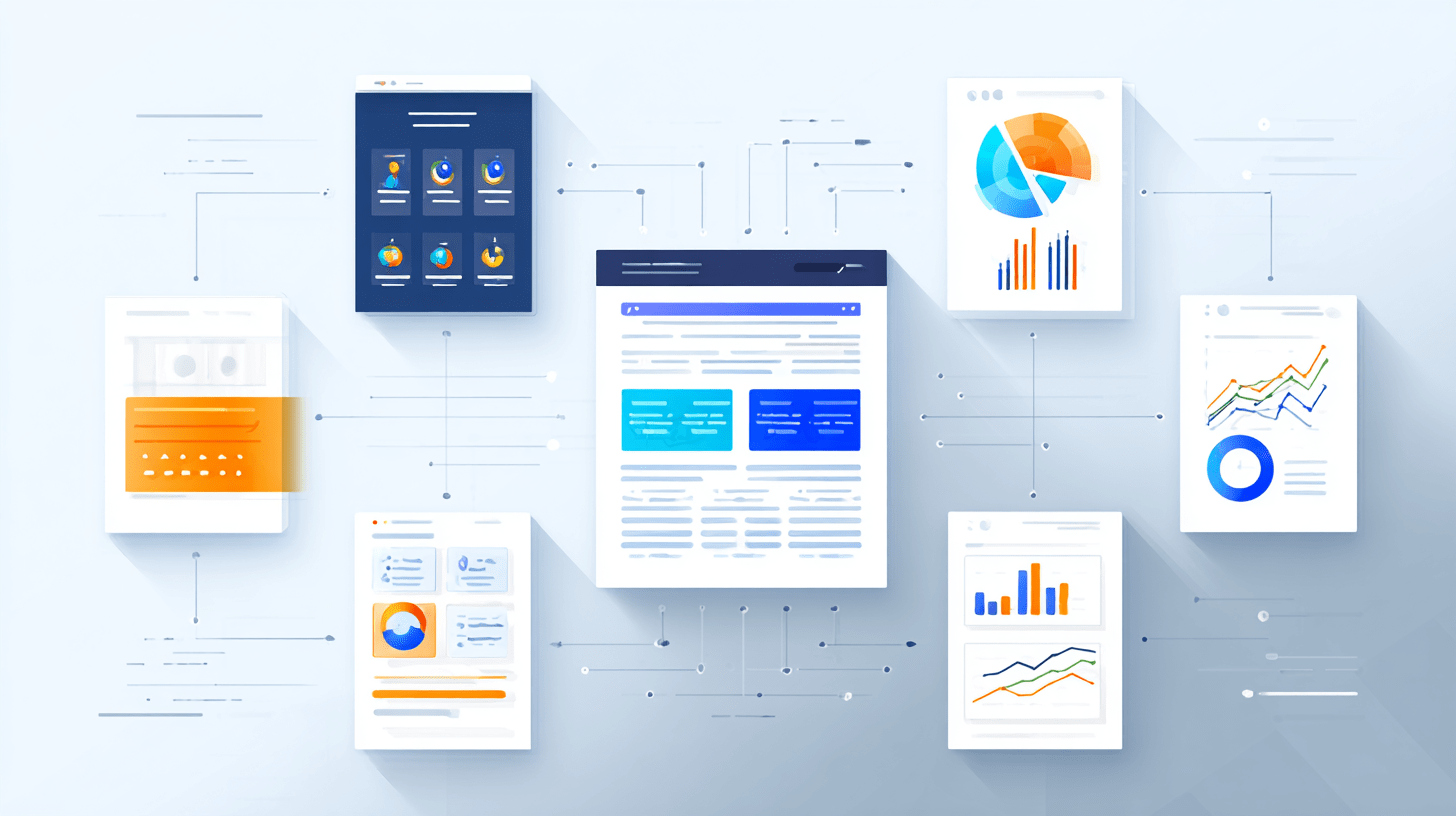

The functionality of a modern website goes far beyond simply presenting a company. It plays a key role in forming the first impression of the brand, introducing the audience to available offerings, and encouraging them to reach out. However, this is only possible when the site’s structure is thoughtfully designed – where every element is in its place, guiding the visitor toward a decision. One of the most important components is a properly built services section, though many business owners overlook it. Let’s explore why your company should have separate pages for each service, the advantages this approach offers, and which implementation details deserve special attention.
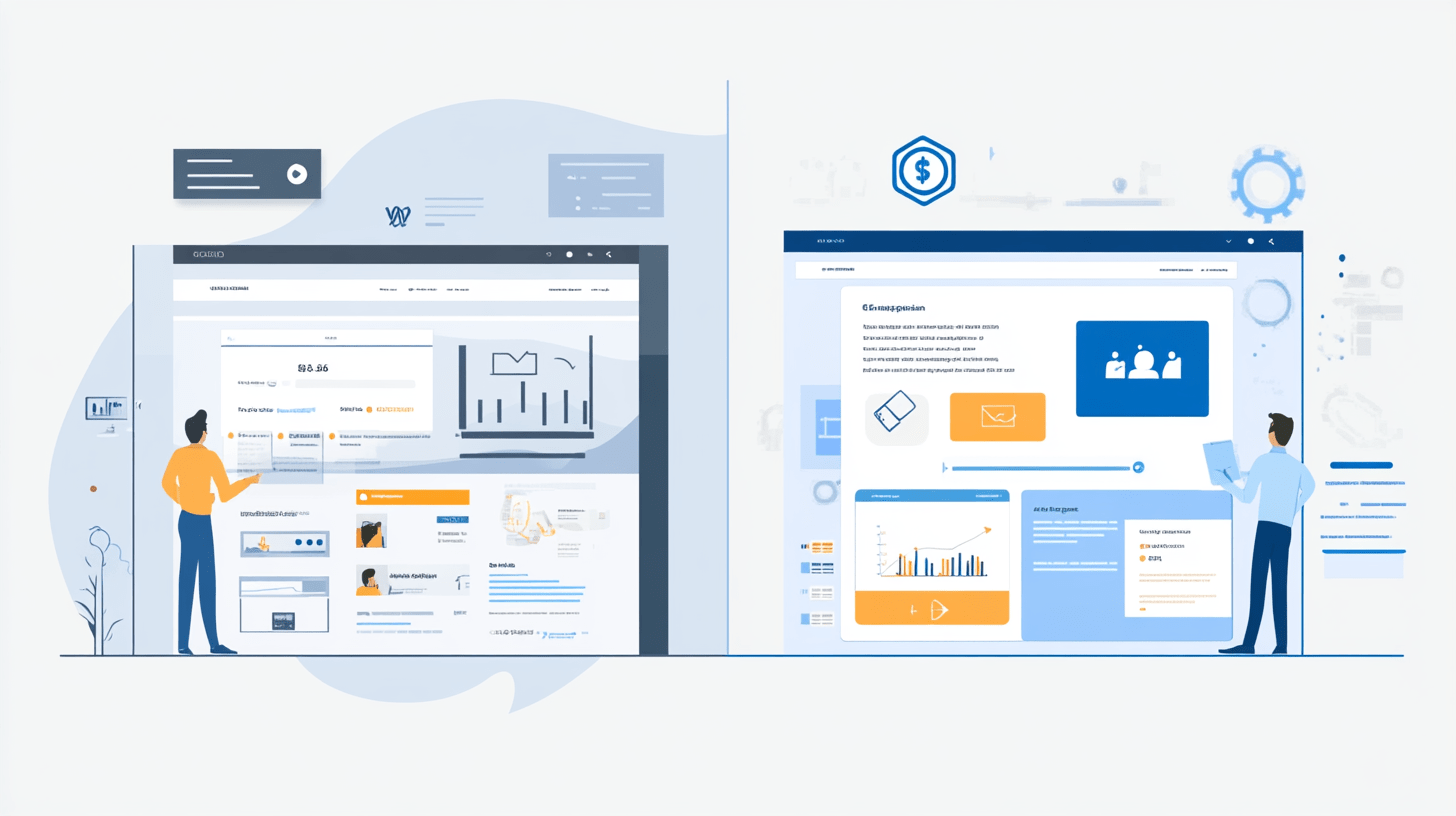
Why having dedicated service pages benefits the company
Creating a separate page for each service allows for more precise positioning tailored to specific queries. Unlike a combined services section, where everything is grouped together, each page here has its own context, visual structure, emphasis, and arguments. This brings the value proposition to the forefront, speaking directly to the user in their language – without distractions or mixed signals. This approach is especially effective for complex or narrow niches, where both the list of services and the way they’re presented, justified, and illustrated matter.
From a marketing standpoint, building a website around this structure unlocks far more opportunities. Each service page can serve as the target of a separate ad campaign, allowing for tests with different creatives, formats, and hypotheses – all without affecting the rest of the site. These pages function as independent entry points, complete with tailored messaging, content adapted to a specific audience, and everything needed to attract, persuade, and convert. The result is a controlled system where each direction evolves on its own – with flexible analytics, personalized delivery, and precise configuration based on different audience segments.
How separate pages improve SEO and indexing
Today, the answer to why a business without a website loses to competitors is fairly obvious. But having a site is not enough – what matters is whether its content is structured in a way that delivers the desired results. That’s what lays the foundation for effective rankings, where the following details come into play:
| Optimized URLs. | A clear link structure with embedded keywords highlights the page’s topic, increasing its relevance and improving visibility in organic search. |
| Individual meta data. | Each page has its own title, description, and alt tags, allowing content to be tailored to specific queries without duplicating language from other sections. |
| Semantic separation. | A well-organized structure avoids repeating keywords across multiple pages, maintaining uniqueness and minimizing internal competition in search rankings. |
| Controlled indexing. | Gradual rollout of new pages and logical internal linking provide control over how the site is crawled, keeping indexing load at an optimal level. |
| Localized promotion. | Each page can have its own UTM tags, anchor phrases, and external links, supporting localized strategies and increasing contextual relevance. |
| Wider reach without conflicts. | Separate pages allow broader keyword coverage while maintaining a clear focus for each topic – with no duplication or context mixing. |
Clarity as a user advantage and how it impacts results
This kind of structure creates a clear path from the homepage to the desired section. When the navigation logic is straightforward and pages follow a logical sequence, it aligns with user expectations. Visitors navigate easily and find what they need quickly, without distractions. This reduces the number of misclicks, increases user focus, and sends better behavioral signals. We’ve already written about this – learn why structured data is important for online stores, as it strengthens user orientation and turns attention into action.
For the company, this structure provides a convenient framework for future growth. When sections are properly organized and follow a unified logic, it becomes easy to see which areas are performing well and where content or functionality needs improvement. New pages or blocks can be added without altering the core architecture, making it easier to approve changes internally and avoid overlaps or duplication. The result is a coherent resource that remains adaptable to change and understandable both to users and to the business it supports.
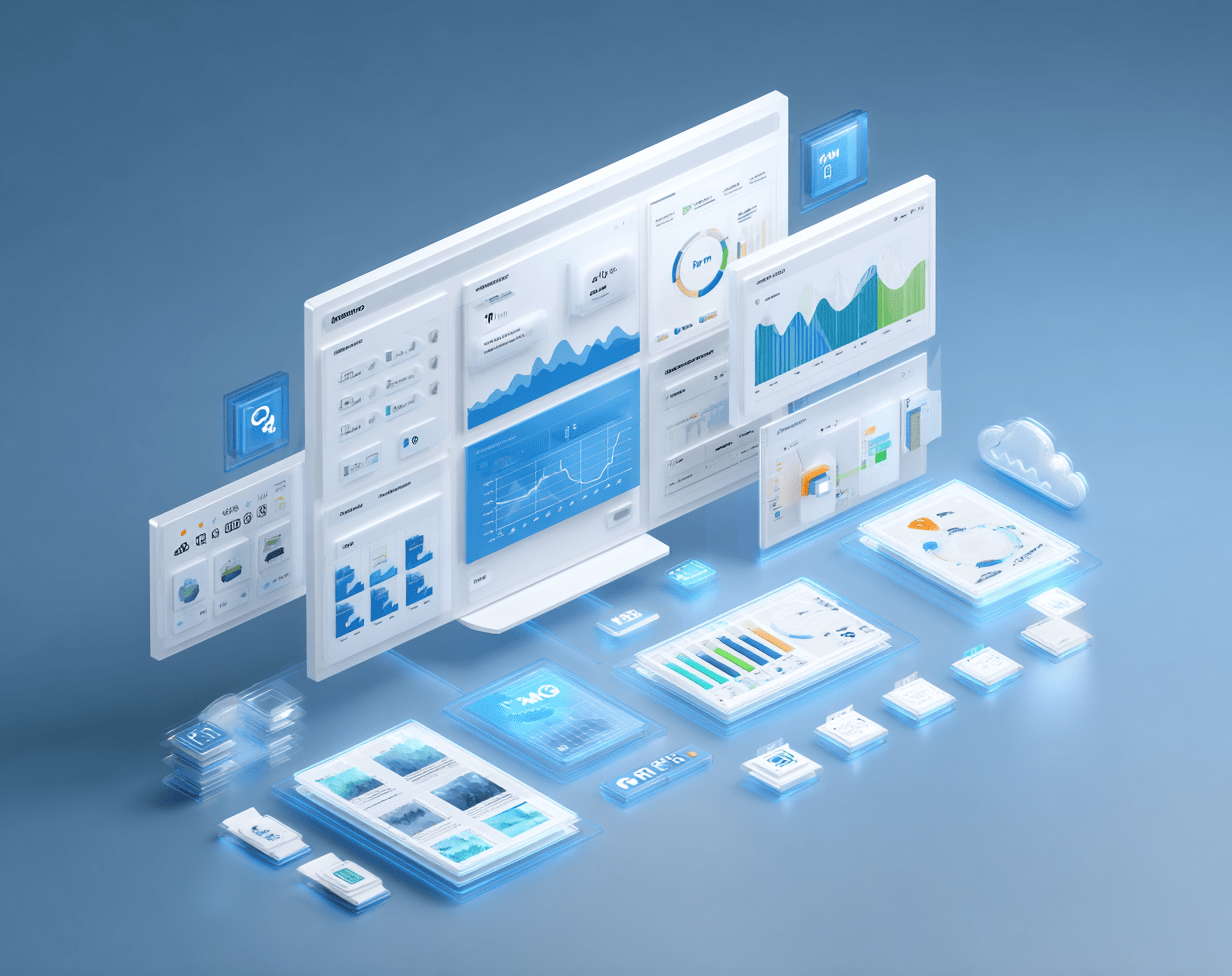
Practical tips for implementing separate service pages
Their successful integration depends on several key decisions that affect usability and the effectiveness of the structure:
- Assigning a unique route to each service. A separate page allows precise link targeting and performance tracking by direction, ensuring stable visibility without internal competition.
- Linking the request form to the specific service. When the form is placed directly on the page, the user stays focused and understands what they’re ordering, which increases trust and accelerates interaction.
- Setting up navigation between related pages. Connecting them through internal links or breadcrumbs improves user orientation and encourages deeper exploration of the site.
- Preparing custom visuals. Each page’s design should reflect the service and its audience, since a well-thought-out visual layout reinforces the messaging and leaves a stronger impression.
- Testing pages on mobile devices. Checking adaptability, load speed, and usability ensures stable performance in all conditions, directly affecting conversion rates.
- Defining a clear call to action. Each page should feature a distinct CTA that guides the visitor toward the desired next step and supports the overall optimization of the decision-making process.
Planning a corporate website and want to be confident in the final result? Need a platform that will effectively support your business and help attract new clients? Let’s work together. Our web studio’s specialists will analyze your company’s operations and propose a solution with an optimized structure and clearly defined service areas. They’ll also handle ongoing support and technical maintenance of the site, following the agreed-upon promotion strategy at every stage. Contact us – the QuatroIT team is ready to help!
Frequently asked questions about service page structure
Can several similar services be combined on one page?
This approach is acceptable if the services are closely related and target the same intent. In such cases, it’s essential to clearly structure the content so that each service remains recognizable and doesn’t get lost in the general description.
How important is it for each page to have unique content?
Uniqueness is critical – it lets you tailor content to specific queries and demonstrate expertise on each topic. Generic or repeated content is perceived as templated – both by users and search engines.
What if service pages aren’t delivering results?
This is often due to keyword overlap, weak structure, or poor argumentation. If you plan to invest in comprehensive digital marketing, start by auditing your site’s structure and pay close attention to the following:
- Analysis of keyword accuracy and relevance.
- Eliminating conflicts between service pages.
- Rewriting weak or generic descriptions.
- Checking structural and navigational logic.
- Adding stronger calls to action.
How can you tell if a page is performing well?
Look at more than just visit counts – consider how deeply users engage with the page: how long they stay, whether they interact with forms, and if they move on to other sections. These behavioral indicators are usually more reliable than traffic volume alone.
What if the company’s list of services changes?
In fast-moving industries, it’s best to plan for changes during the initial design. Outdated pages can be redirected or revised to match current offerings, while new ones can be integrated into the existing structure without breaking the site’s overall coherence.